In What Way Sodium, Chloride, and Bicarbonate Influence the Anion Gap
Understanding the Anion Gap?
The anion gap is a computed value that helps doctors assess electrolytes on a serum chemistry panel. It gives a concise look of acid-base balance by weighing measured cations with measured negatively charged ions in the blood. Because not every ion is directly reported in standard lab values, the anion gap acts as a indicator to the presence of unmeasured anions or, less commonly, unmeasured cations.
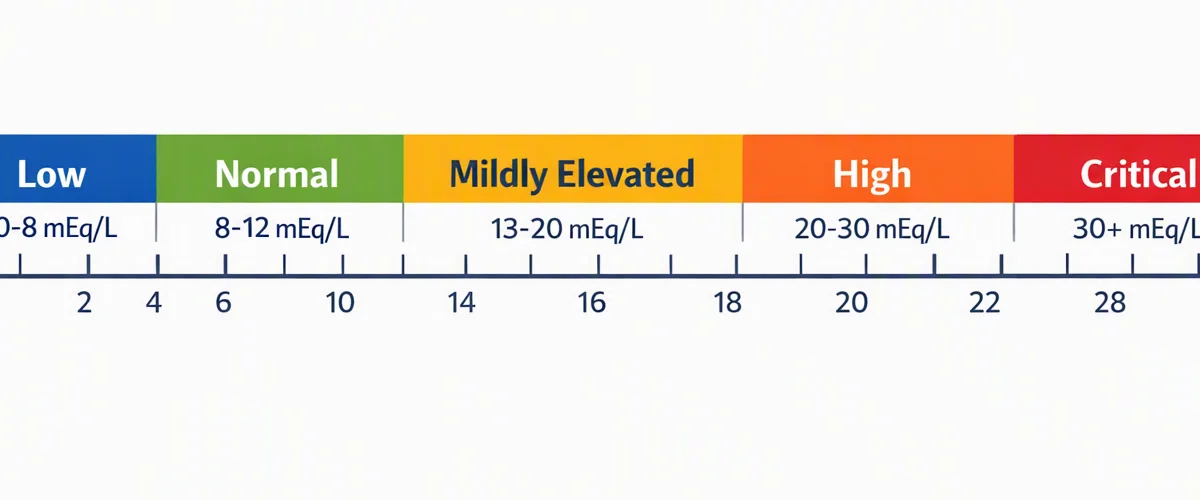
In everyday terms, the anion gap is most useful when looking for sources of metabolic acidosis, a metabolic disorder in which the body has too much acid or too little buffering capacity. An anion gap calculator can speed the calculation and assist with quick interpretation, but the number only makes sense in clinical context. The result is not a diagnosis by itself; it is a diagnostic clue that must be paired with the patient’s symptoms, history, and other tests.
The anion gap is usually calculated from routine serum chemistry measurements. Since the body tightly regulates electrolyte levels, even small shifts in sodium, chloride, and bicarbonate can change the result. That is why the same lab can show a normal result in one person and an abnormal result in another, depending on the underlying acid-base status.
How the Anion Gap Formula Works
The typical anion gap formula is written as:
Anion gap = sodium − (chloride + bicarbonate)
Some laboratories use slightly different formulas or a varying reference interval, but the idea remains the same. Sodium serves as the main measured cation, while chloride and bicarbonate are the main measured anions included in the equation. Anything unmeasured directly is part of the “gap.”
The formula works because blood must stay electrically neutral overall. If the measured positive charge from sodium is much higher than the measured negative charges from chloride and bicarbonate, the difference reflects other ions that are not included in the formula. Those may be acids, proteins, or other molecules contributing to the body’s acid load.
Because the formula subtracts chloride and bicarbonate from sodium, shifts in any one of those values can shift the result. Higher sodium tends to raise the number, while higher chloride or higher bicarbonate tends to lower it. That makes the anion gap a simple but powerful reflection of electrolyte balance.
Key idea: the anion gap is not a direct measurement of acid. It is a calculation based on lab values that helps estimate whether there are extra acids or other unmeasured substances in the blood.
How Sodium Raises an Anion Gap
Serum sodium is the starting point of the formula, so it strongly shapes the final number. If sodium increases while chloride and bicarbonate stay the same, the anion gap rises. If sodium decreases, the anion gap drops. This is one reason hyponatremia can be linked to a lower measured gap, even if the underlying disease process has not changed much.
Hypernatremia can push the anion gap upward because the equation begins with a larger positive number. That said, sodium changes alone do not automatically mean there is a dangerous acid-base problem. The meaning depends on the rest of the electrolyte pattern and the overall clinical picture.
Another important concept is anion-gap-calculation.com anion gap calculatoranion gap the effect of unmeasured cations. These are positively charged substances not included in the standard formula. If enough of them are present, they can decrease the apparent gap. Examples include lithium, which can lower the anion gap by adding positive charge that is not reflected in the usual calculation. This is one reason an unexpectedly low result should not be ignored.
When reviewing the anion gap, it helps to ask whether the sodium result is truly abnormal or whether it is just part of a broader shift in fluid balance. Changes in volume status, dilution, or lab handling can all affect the interpretation. That is why the clinical context matters as much as the raw number.
Why Does Chloride Change the Anion Gap
Chloride is a major measured anion, so it has an opposite relationship with the anion gap. When chloride increases, the calculated gap usually falls. When chloride falls, the gap tends to rise. This makes chloride a major driver of many pattern changes in routine electrolyte testing.
Hyperchloremia often lowers the anion gap because the formula subtracts chloride directly. In some patients, especially those receiving large amounts of normal saline, chloride may rise sufficiently to change acid-base interpretation. Normal saline contains a relatively high chloride concentration, and large-volume administration can lead to a hyperchloremic pattern that depresses the calculated gap.
Hypochloremia does the reverse. With less chloride in the formula, the final number increases. This can happen with vomiting, diuretic use, or other volume and electrolyte shifts. However, a higher gap caused by low chloride does not always mean a true increase in unmeasured acids. It may simply reflect the arithmetic of the formula.
For that cause, chloride should always be viewed alongside sodium and bicarbonate. A change in chloride can be a helpful clue, but it should not be interpreted in isolation. The same abnormal result can mean quite different things depending on whether the patient has acidosis, alkalosis, dehydration, or a medication effect.
What Bicarbonate Does to the Anion Gap
Bicarbonate is a key component of the body’s buffer system. It helps counteract acid, so it is often reduced in metabolic acidosis. Because bicarbonate is subtracted in the anion gap formula, a low bicarbonate generally causes the anion gap to rise.
This relationship is important because low bicarbonate often signals that the body is using up buffering capacity to buffer excess acid. If the lost bicarbonate is replaced by building up unmeasured acids, the result is typically a high anion gap. That pattern is a common indicator of systemic acidosis.
However, low bicarbonate does not always mean a high anion gap. In some cases, bicarbonate falls while chloride rises at the same time, producing a normal anion gap. This is often seen in non-gap metabolic acidosis, where bicarbonate is lost and chloride increases to preserve electrical neutrality.
So the relationship is not simply “low bicarbonate equals high gap.” Instead, bicarbonate must be interpreted with the rest of the electrolytes. The key question is whether the fall in bicarbonate is being matched by a rise in chloride, or whether other acids are gathering in the background.
Common Causes of a Elevated Anion Gap
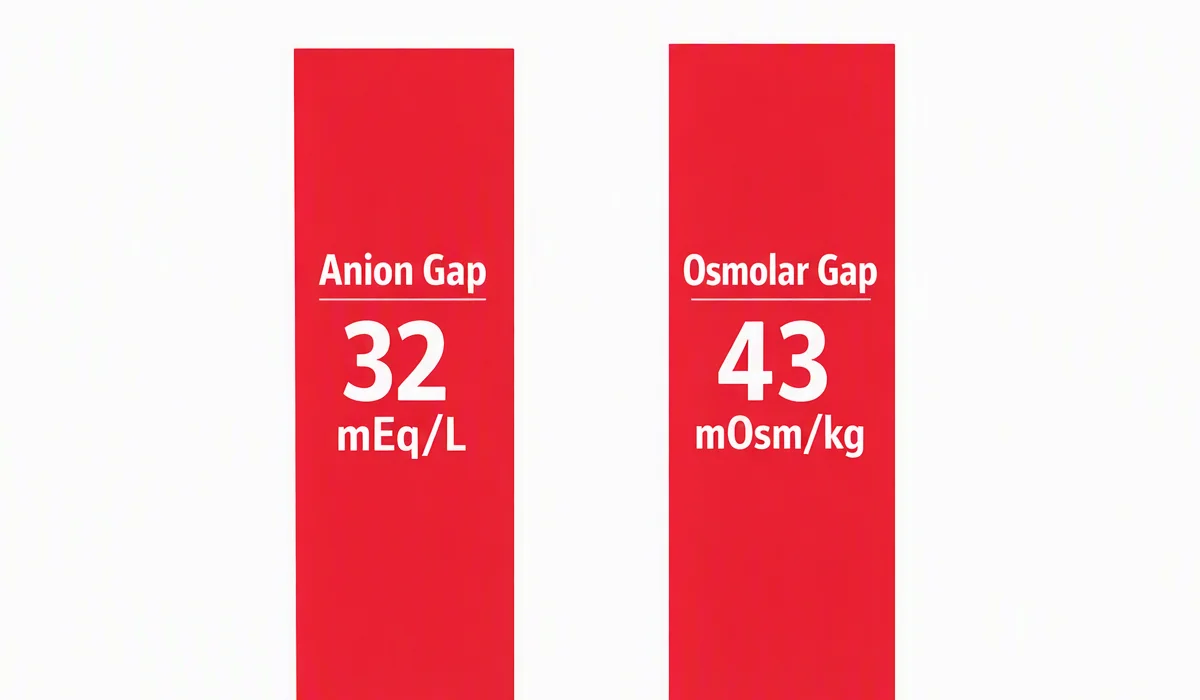
A high anion gap typically suggests the presence of excess acids or other unmeasured substances in the blood. This happens when bicarbonate is depleted while unmeasured anions increase. Several common conditions can create this pattern.
Lactic acidosis is one of the most common causes. It occurs when tissues are not receiving enough oxygen or when cellular metabolism is disrupted, causing lactate buildup. Because lactate is an unmeasured anion, it increases the gap.
Ketoacidosis is an important additional cause. In diabetes, starvation, or alcohol-related states, ketone bodies build up and consume bicarbonate. These ketones raise the gap and often produce significant metabolic acidosis.
Renal failure can also lead to a high gap because the kidneys are unable to eliminate acids effectively. As acid products increase, bicarbonate falls and the gap expands. This may happen slowly in chronic kidney disease or more abruptly in acute kidney injury.
Toxic alcohols are a classic and dangerous trigger of high gap acidosis. Substances such as methanol or ethylene glycol are metabolized into acidic compounds that increase the gap and may lead to severe organ injury. In these cases, the anion gap calculator can help identify a concerning pattern, but urgent clinical evaluation is essential.
Other causes are also possible, but these major categories explain many of the abnormal results encountered in practice. When an elevated gap is found, the next step is usually to identify the underlying acid source rather than treating the number alone.
Typical Causes of a Expected or Reduced Anion Gap
A normal anion gap can still occur in significant illness. Not all acid-base problem produces a high gap, and not every dangerous condition causes an obvious electrolyte pattern. In some patients, the main issue is bicarbonate loss with compensatory chloride gain, which keeps the calculation within the reference interval.
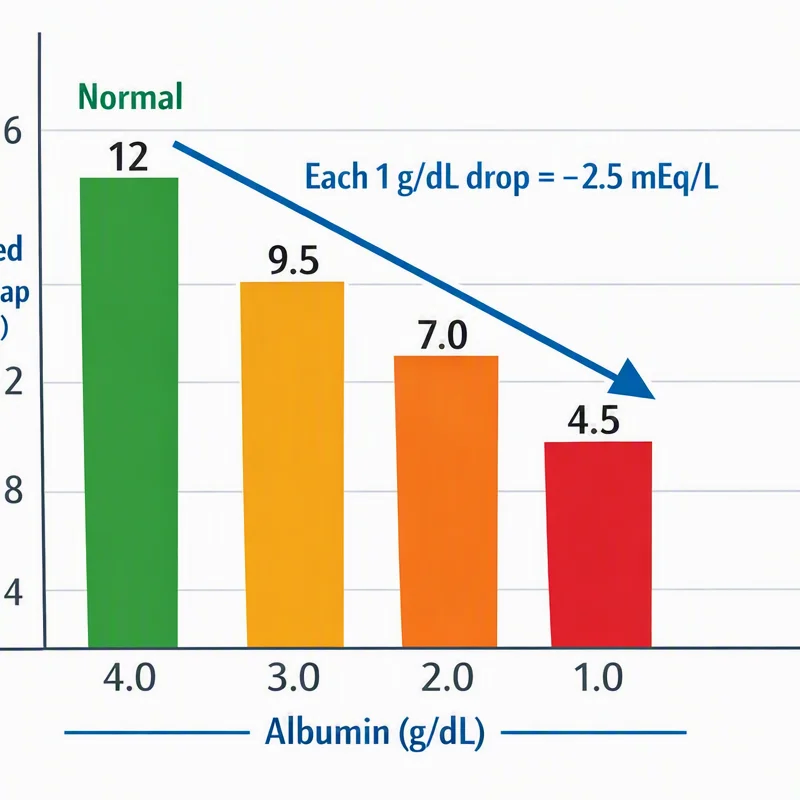
Reduced albumin is one of the most important causes of a reduced anion gap. Serum albumin is a negatively charged protein and a major unmeasured anion in the blood. When albumin falls, the measured anion gap may drop even if the patient still has acid-base abnormalities. This is why albumin correction is often necessary for accurate interpretation.
Abnormal paraprotein levels can also lower the gap. Abnormal proteins, especially certain positively charged monoclonal proteins, can function like unmeasured cations and reduce the calculated value. In some cases, this becomes an important clue to an underlying plasma cell disorder.
Laboratory error is another major possibility when the result does not fit the clinical picture. Small measurement issues in sodium, chloride, or bicarbonate can significantly alter the calculation. Repeating the chemistry panel is often a reasonable first step when the result seems inconsistent.
Lithium exposure can produce a low gap by contributing unmeasured cations. This is one of the classic causes of an unexpectedly reduced result. If the number is low and the patient is taking lithium, that medication should be considered in the interpretation.
How to Interpret Results from an Anion Gap Calculator
An anion gap calculator is a useful tool for rapid calculation, but evaluation requires more than entering values. Begin by checking the sodium, chloride, and bicarbonate inputs carefully. A single data entry mistake can create a misleading result. Then compare the answer with the lab’s reference range, since various laboratories may use different cutoffs.
If the result is abnormal, ask whether it is a high anion gap, normal anion gap, or low anion gap. A high value suggests extra unmeasured acids or reduced bicarbonate due to acid buffering. A normal value can still be seen in important illness, especially when bicarbonate is low but chloride rises to compensate. A low value often points to hypoalbuminemia, lab issues, or unusual cation/protein effects.
Albumin correction is especially important when albumin is low. Because albumin contributes substantially to the unmeasured anion pool, a low albumin level can mask a clinically important gap. A corrected anion gap adjusts the raw result using a correction factor so the number better reflects the patient’s true acid-base picture. This is particularly helpful when evaluating metabolic acidosis in hospitalized or chronically ill patients.
Interpretation should always include the rest of the serum chemistry, symptoms, and, when needed, blood gas data. The anion gap is a useful screen, but it becomes much more informative when combined with the overall acid-base status and the suspected cause of the abnormality.
When to Pursue Clinical Evaluation
An abnormal anion gap may be the first sign of a serious acid-base disorder, but it is not a stand-alone diagnosis. If the result is clearly abnormal, if the patient has symptoms, or if the chemistry panel suggests a major electrolyte imbalance, clinical evaluation is important. The same is true when the result does not match the patient’s condition or when there is concern for poisoning, kidney dysfunction, or severe infection.
Additional analysis may cover a blood gas, repeat serum chemistry, lactate level, ketones, kidney function tests, toxicology testing, or albumin measurement. These studies help show whether anion gap the pattern reflects acidosis, compensation, or a measurement issue. In serious cases, delays can matter, especially with toxic alcohols, renal failure, or severe lactic acidosis.
Clinical symptoms are important just as much as the lab result. Disorientation, rapid breathing, vomiting, severe weakness, dehydration, chest discomfort, or altered mental status can all accompany dangerous metabolic problems. When these symptoms occur with abnormal electrolytes, the anion gap becomes part of a larger evaluation rather than an isolated number.
In short, the calculator is a starting point. It helps identify patterns, but the next step is understanding the cause and deciding whether urgent care is needed.
FAQ: Anion Gap and Electrolytes
How do sodium, chloride, and bicarbonate determine the anion gap?
The anion gap is calculated as sodium minus the sum of chloride and bicarbonate. Sodium raises the result, while chloride and bicarbonate decrease it. Because these are the main inputs in the formula, changes in any one of them can shift the final number. That is why the anion gap calculator is useful for quickly seeing how electrolyte changes affect the result.
Why does low bicarbonate often mean a higher anion gap?
Low bicarbonate often means the body is using up its buffer to neutralize acid. If the lost bicarbonate is replaced by unmeasured acids, the anion gap rises. This is common in metabolic acidosis, especially when lactic acidosis, ketoacidosis, renal failure, or toxic alcohols are involved. However, low bicarbonate can also occur with a normal anion gap if chloride rises at the same time.
Can a normal anion gap still happen with serious illness?
Yes. A normal anion gap does not rule out disease. Some patients have significant metabolic acidosis with bicarbonate loss and chloride retention, which keeps the calculation in the normal range. Clinical symptoms, blood gas results, and the full electrolyte pattern are essential for interpretation.
How exactly does albumin affect the anion gap calculation?
Albumin is a major unmeasured anion, so decreased albumin can reduce the measured anion gap. This can hide a true acid-base problem. Albumin correction adjusts the result using a correction factor so the corrected anion gap better reflects the patient’s actual status. This is particularly important when hypoalbuminemia is present.
What might a low anion gap mean on a lab result?
A low anion gap may be caused by hypoalbuminemia, paraproteinemia, lithium, or lab error. It can also happen when unmeasured cations decrease the gap. The result should be considered in context with the rest of the serum chemistry and the patient’s clinical picture. If the value is unexpected, repeating the test and checking albumin is often helpful.